What are the Three C's of Mechanics?
A Complete Guide
The 3 C's of mechanics are Concern (what the customer reports), Cause (the root problem identified through diagnosis), and Correction (the proper repair solution). This framework ensures accurate diagnosis, effective repairs, and satisfied customers.
After watching countless service orders go sideways because of poor communication, I learned that the difference between a frustrated customer and a happy one often comes down to three simple words. The difference between a shop that thrives and one that struggles with comebacks isn't the tools they use—it's how well they master these fundamentals.
What Are the 3 C's of Mechanics?
The 3 C's framework breaks down every automotive service interaction into three critical components: Concern, Cause, and Correction. Each C represents a distinct phase that must be executed properly for successful outcomes.
Concern captures exactly what the customer is experiencing with their vehicle. This isn't just "car won't start"—it's the complete picture including when it happens, what sounds they hear, and any patterns they've noticed.
Cause represents the systematic diagnosis that identifies the root problem. This step separates professional shops from parts-swappers who guess at solutions.
Correction documents the proper repair that addresses the diagnosed cause, not just the symptoms.
This methodology became the industry standard because it creates a logical flow from customer complaint to completed repair. When shops follow all three C's consistently, they see fewer comebacks, higher customer satisfaction, and more efficient use of technician time.
The First C: Customer Concern
The customer concern gets overlooked more than any other part of the process. I didn't actively listen to customers early in my career and missed crucial diagnostic clues that non-mechanical people struggle to communicate.
A proper customer concern goes far beyond the basic complaint. When someone says their car "runs rough," that's just the starting point. The real concern includes when it happens (cold starts, highway speeds, idle), what it feels like (vibration through the steering wheel, whole car shaking), and any associated symptoms (unusual sounds, smells, or dashboard lights).
The most common mistake I see service advisors make is assuming they know the problem before gathering complete information. A customer might say "I need new brakes" when what they really mean is "I hear a grinding noise when I stop." Those are two very different concerns that lead to different diagnostic approaches.
I learned to ask probing questions that help customers describe what they're experiencing: "Can you show me exactly where you hear that noise?" or "Does this happen every time you start the car, or only sometimes?" These questions reveal details that customers might think are unimportant but actually point directly to the root cause.
Documentation is crucial here. I write down the customer's exact words along with my clarifying questions and their responses. This complete picture gives the technician the best chance of duplicating the problem and diagnosing it correctly on the first attempt.
The Second C: Cause (Proper Diagnosis)
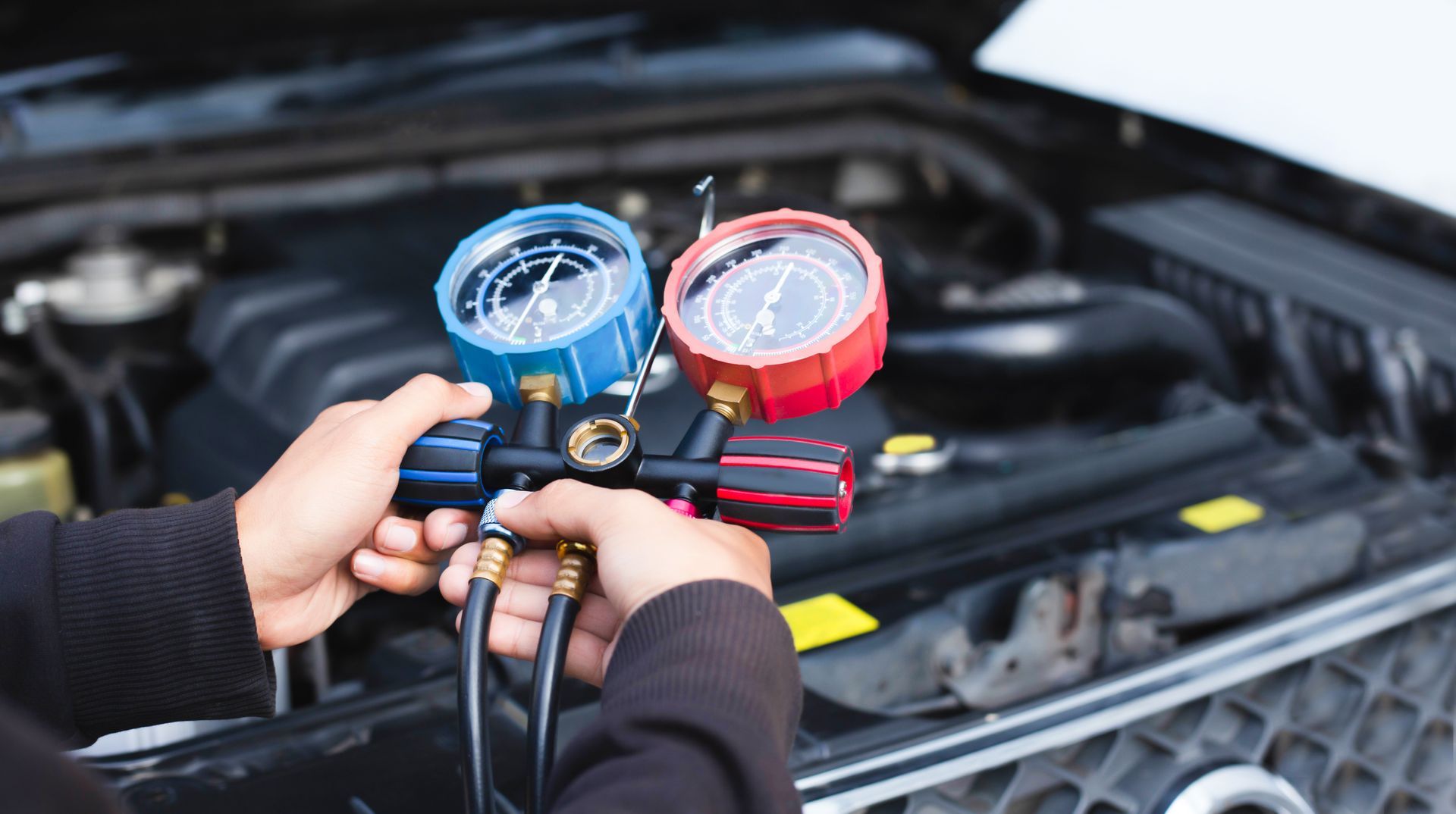
Identifying the true cause requires systematic diagnosis, not educated guessing. The best technicians I work with follow a logical troubleshooting process that starts with the customer concern and uses appropriate diagnostic tools to confirm their findings.
Modern vehicles demand proper diagnostic equipment and procedures. Whether it's a Honda with an intermittent electrical issue or a Ford with transmission problems, guessing leads to unnecessary parts replacement and frustrated customers.
The diagnostic process typically follows this pattern: gather all symptoms from the customer concern, perform visual inspections, use appropriate scan tools and test equipment, and verify findings before recommending repairs. Each step builds on the previous one.
Assumptions kill proper diagnosis more than any other factor. I've seen technicians replace oxygen sensors because of a rough idle code, only to discover the real problem was a vacuum leak. The code pointed to the symptom, but proper testing revealed the cause.
Time pressure creates the temptation to shortcut diagnosis, but this approach backfires. A thorough 30-minute diagnosis prevents hours of unnecessary work and maintains customer trust.
The Third C: Correction
The correction phase implements the proper repair solution based on the diagnosed cause. This isn't just about fixing the immediate problem—it's about addressing the root cause to prevent the issue from returning.
Proper correction requires using quality parts appropriate for the specific vehicle and application. A BMW repair might need OEM parts to maintain performance standards, while a high-mileage domestic vehicle might benefit from upgraded aftermarket components.
I record which parts were installed, what procedures were followed, and any additional issues discovered during the repair. This information becomes valuable if questions arise later or if related problems develop.
Quality control verification ensures the correction actually solved the original concern. Before returning any vehicle to the customer, we test-drive it under conditions that replicate their original complaint. If the customer reported rough idling at traffic lights, we verify smooth operation during extended idle periods.
Real-World Example: How the 3 C's Solved a Tricky SUV Problem
A customer brought their SUV to our shop because it was "running rough" and the check engine light had come on. During our initial conversation, they described how the engine shook at stop lights and had started using more fuel than normal.
Then, almost as a side note, they mentioned, "I don't think this matters, but every once in a while I hear a little hissing sound near the engine after I shut it off."
That small detail mattered a lot. Vehicle sounds can point to real repair issues, and a trained mechanic knows not to ignore them. For example, AAA notes some common issues along with the signs, smells and sounds that might help narrow the problem down. That is why the Service Advisor wrote down the customer’s hissing sound and made sure the mechanic saw it before starting the diagnosis. Instead of only chasing the check engine light codes, he also checked for vacuum leaks. Sure enough, there was a cracked vacuum hose that was letting extra air into the engine.
Without proper documentation of the complete customer concern, we might have spent hours chasing sensors, fuel delivery issues, or ignition problems. The check engine codes showed the symptoms, but that seemingly unimportant hissing sound pointed directly to the cause.
The systematic approach saved time and money for everyone involved. The customer got their vehicle back faster, we avoided unnecessary parts replacement, and our technician could move on to the next job instead of struggling with a misdiagnosed problem.
Common Mistakes That Sabotage the 3 C's Process
The most common misconception I see is not giving proper priority to each of the three C's. Some service advisors prioritize getting cars in the door over gathering complete information. They rush through customer concerns to move on to the next appointment, missing crucial details that would speed up diagnosis.
Experienced technicians sometimes skip systematic diagnosis because they think they've "seen this problem before." While experience is valuable, assumptions based on similar symptoms often lead to misdiagnosis. Every vehicle and situation has unique factors that deserve investigation.
Shortcuts during the correction phase create the most expensive problems. Installing the cheapest available parts or skipping verification steps might save time initially, but comebacks destroy profitability and reputation. A repair that fails within weeks costs more than doing it right the first time.
The 3 C's framework actually saves time by preventing wasted effort. Following the process consistently creates efficient workflows that serve more customers better than rushing through incomplete service procedures.
How to Improve Your 3 C's Implementation
Better questioning techniques transform customer conversations from basic complaints into detailed diagnostic roadmaps. I learned to ask open-ended questions that encourage customers to share observations they might think are unrelated to their main concern.
Instead of asking "Is it making noise?" I ask "What sounds has your car been making lately?" The first question gets a yes or no answer, while the second invites a complete description that often reveals multiple symptoms pointing to the same root cause.
My documentation best practices include recording the customer's exact words along with clarifying details gathered through follow-up questions. I use a consistent format that captures when problems occur, what conditions trigger them, and how long they've been happening.
Training for service advisors should focus on active listening skills and automotive systems knowledge. Understanding how vehicle systems interact helps advisors ask better questions and recognize when customer descriptions point to specific components or problems.
Technician training should emphasize systematic diagnostic procedures over experience-based assumptions. The best diagnostic technicians combine their knowledge with methodical testing procedures that confirm their theories before recommending repairs.
Regular team meetings to review challenging cases help everyone learn from difficult diagnoses and successful repairs. Sharing experiences builds collective knowledge that improves the entire shop's diagnostic capabilities.
The three C's of mechanics provide a proven framework for delivering consistent, high-quality automotive service. When you master proper concern documentation, systematic diagnosis, and thorough correction procedures, you'll see fewer comebacks and build stronger customer relationships that drive long-term success.
Be Sure To Add A Fourth C To Your Automotive Repair Needs -
CHUCK'S GARAGE