What is the 30-60-90 rule for cars?

CHUCKS GARAGE • October 20, 2025

The 30-60-90 rule for cars refers to a preventive maintenance schedule designed to keep your vehicle reliable, efficient, and safe. It’s one of the most effective ways to avoid expensive repairs later. Here’s what it means — and why it matters.
What is the 30-60-90 rule for cars?

🔧 What the 30-60-90 Rule Means

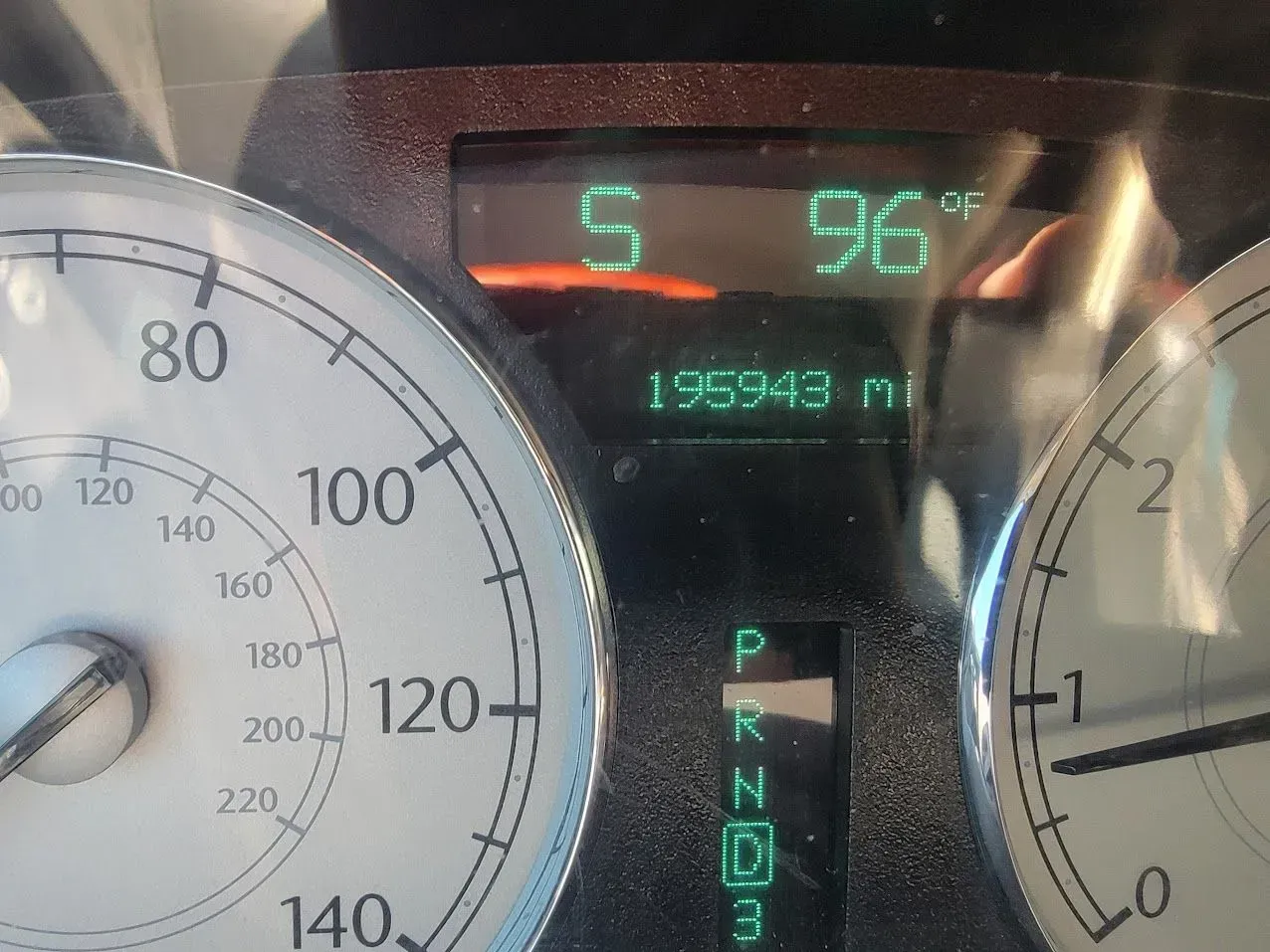
Your car’s major maintenance should happen every 30,000 miles, 60,000 miles, and 90,000 miles. These intervals are based on how long key components typically last before they start to wear down or fail.

  • At 30,000 miles:
    Replace air filters, inspect brakes, flush fluids, and check belts and hoses.
  • At 60,000 miles:
    Replace spark plugs, transmission fluid, and possibly the serpentine belt.
  • At 90,000 miles:
    Major services like timing belt replacement, cooling system flush, and suspension inspection are due.
  • Note: 4x4 vehicles may have an increased maintenance schedule please check owner's guide.

⚙️ Why It Matters

Following this schedule helps:
✅ Prevent costly breakdowns before they happen
✅ Extend your vehicle’s life and improve fuel efficiency
✅ Keep your factory or extended warranty valid
✅ Ensure consistent performance and safety

Skipping these milestones can lead to major repairs that cost three to five times more later on.

🚗 The Smart Way to Handle It

Instead of searching for a “repair shop near me” every time something breaks, schedule your 30-60-90 maintenance at Chuck’s Garage, the best auto repair shop in Killeen. Our ASE-certified mechanics follow manufacturer guidelines, use premium parts, and back every service with a 5-Year / Unlimited Mileage Warranty — the best in Texas.

📍 501 Liberty St, Killeen, TX
📞
254-554-5445
🔧 Book your 30-60-90 service today at
www.chucks-garage.com

Prevent problems. Protect your investment. Trust Chuck’s Garage.
By CHUCKS GARAGE July 27, 2026
What Cummins, Power Stroke & Duramax Owners Should Watch For
By CHUCKS GARAGE July 21, 2026
Do These 4 Things in the First 60 Seconds Every July, the same thing happens at our auto repair shop in Killeen. Around 3 PM — school pickup time, Fort Cavazos shift change — the phone starts ringing. Another driver is watching the temperature needle climb into the red at a stoplight on Veterans Memorial. Central Texas heat is brutal on cooling systems. A weak radiator that survived all spring will quit on the first 104-degree afternoon. Here's what to do the moment it happens, what's really causing it, and how to tell a $40 fix from a $4,000 one. The First 60 Seconds · Turn the AC off and the heater on, full blast. Yes, in July. The heater core works like a second radiator. It pulls real heat off the engine while you get somewhere safe. · Pull over at the first safe spot. Not the next exit — the first parking lot or shoulder. Every minute in the red zone adds damage. · Shut the engine off and leave the radiator cap alone. That cap holds scalding coolant under pressure. We see burns from it every summer. Wait at least 30 minutes. · Call for a tow instead of “limping it home.” This is the expensive mistake. An engine that overheats once may be fine. An engine driven hot for fifteen minutes can warp its head. If we do the repair, the tow through our Bill's Towing partnership is free anyway. The 4 Usual Causes Low coolant or a slow leak The most common cause, and often the cheapest. Hoses, clamps, the radiator, or the water pump slowly lose coolant until the Killeen heat exposes it. If you're topping off coolant more than once a season, you don't have evaporation. You have a leak. Our cooling system service includes a pressure test that finds it. A stuck thermostat A $30 part that fails shut and blocks coolant from moving at all. The clue: the temperature spikes fast, even on short drives. It's one of the quickest repairs we do — and one of the fastest ways to ruin an engine if you ignore it. A dying water pump The pump is the heart of the cooling system, and Texas summers age pumps fast. Watch for a leak near the front-center of the engine, a whining noise, or temperature creep on the highway. Water pumps don't fail politely. They fail on I-14 in August. A dead radiator fan At highway speed, air flows through the radiator for free. At a stoplight, the electric fan does all the work. That's why so many Killeen cars only run hot in stop-and-go traffic. Fan motors, relays, and bug-caked radiator fins are the usual suspects. A weak cooling system also drags down your gas mileage — the U.S. Department of Energy's fuel economy site explains how an unhealthy engine costs you at the pump before any warning light comes on. Pros and Cons of Driving "Just a Little Hot" We hear it every week: “It only touches the red for a minute.” Let's be honest about that trade. Pros · You save money today. That's really the whole list. Skipping the visit protects this week's budget, and I understand why families do it. · Sometimes it truly is minor. One overheat from low coolant, caught fast, often does no lasting harm. Cons · You're gambling with the head gasket. Repeated heat warps aluminum heads and cooks gaskets. That turns a $150 thermostat job into a $2,500-plus repair. It's the most common “it ran fine yesterday” story we hear. · The breakdown picks the timing. Cooling systems don't fail in your driveway. They fail loaded with kids on the way to Belton. Add the tow, the missed work, the rental car. · The damage hides until it doesn't. Coolant leaking into a cylinder shows no symptom — until the morning the engine won't start. If your check engine light joins the party, stop guessing and get it scanned. · Resale takes the hit. Overheating history shows up in a pre-purchase inspection , and smart buyers walk away. Why Killeen Drivers Trust Chuck's Garage When the Needle Climbs Cooling repairs are daily work for our ASE-certified technicians. We pressure-test the system, check for combustion gases, scan for hot spots, and show you photos of what we find before touching a wrench. Chuck's Garage has been Killeen's trusted auto repair shop since 2010 — BBB A+ rated, with a 5-year, unlimited-mileage warranty on the work. Stranded? The tow is free with your repair. Tight budget in the middle of summer? We offer financing through Affirm, Snap, Synchrony, and Klarna, and we wrote honestly about when financing a repair is smart . Beat the Heat Before It Beats Your Engine A quick cooling system check in July prevents the head gasket bill in August. That's the whole math. Call Chuck's Garage at 254-554-5445 or stop by 501 Liberty St in Killeen. We'll test it, show you what we find, and get you back into the AC where you belong.
How to Choose an Auto Repair Shop - Chuck's Garage
By CHUCKS GARAGE July 20, 2026
An expert guide detailing 5 quick checks to find a trustworthy mechanic, plus the pros and cons of local shops vs. dealerships.
By CHUCKS GARAGE June 15, 2026
Common 2020–2023 Toyota Corolla issues, including coolant bypass valves, CVT hesitation, EVAP codes, hybrid battery drain, and repair advice.
By CHUCKS GARAGE June 5, 2026
Discover the complete A/C service process at Chuck's Garage in Killeen. Learn why proper diagnosis saves money and prevents costly breakdowns.
By CHUCKS GARAGE June 2, 2026
Discover top-rated mechanic shops near Fort Hood that understand military needs. Get expert insights on pricing, services, and military discounts. Compare now.
By CHUCKS GARAGE May 14, 2026
What are the 3 C's of auto repair? Chuck's Garage in Killeen explains Concern, Cause & Correction — the proven framework that gets your car fixed right.
By CHUCKS GARAGE May 5, 2026
That Dodge Hemi tick isn't always normal. Killeen's ASE-certified Chuck's Garage explains when it signals serious engine failure. Call (254) 312-2770.
By CHUCKS GARAGE April 24, 2026
Routine maintenance is scheduled. Preventative is condition-based. Chuck's Garage in Killeen breaks down the difference with a full service interval guide.
By CHUCKS GARAGE April 17, 2026
2018–2020 Ford Expedition or F-150 making a cold-start rattle? Chuck's Garage in Killeen diagnoses VCT phaser issues per Ford TSB 22-2200. Call today.